Category: Sober living

Drug and alcohol use among college students: What does the data tell us?

An average of 2,186 annual deaths in Oregon are attributable to excessive alcohol use. 85.0% of deaths in Oklahoma from excessive alcohol use are adults aged 35 years and older. 68.6% of people who die from excessive alcohol use in Oklahoma are male.

  • The 25% most active drinkers binge 3.5 times per month; there is no reliable data regarding the median among all binge-drinking adults in New Jersey.
  • This statistic is a stark reminder of the prevalence of underage drinking among college students.
  • Consuming several servings of alcohol during one occasion can lead to acute physical harm, including alcohol poisoning.
  • Utah taxpayers spent $1.636 billion as a result of excessive alcohol use in 2010; adjusted for inflation, this is equivalent to $2.209 billion or $3.70 per drink in 2022 US$.

An average of 2,208 annual deaths in Alabama are attributable to excessive alcohol use. Alcohol Use Disorder and alcoholism have damaged some groups or demographics more than others. Alcohol abuse statistics indicate some inequalities may be due to social conditioning. 52.4% of chronic misuse deaths are attributable to alcohol alone; 47.6% include additional factors, such as other chronic health issues or drug abuse.

TikTok Ban Would Anger Most College Students: 6 Key Survey Findings

54.9% of full-time college students aged drank alcohol in the past month, according to a 2015 study. While some college students may claim they’re only trying to have a good https://ecosoberhouse.com/ time, patterns of excessive drinking can be dangerous and lead to devastating consequences. 97,000 college students report an alcohol-related sexual assault or date rape.

Arkansas averages one death from excessive alcohol use for every 2,140 people aged 18 and older or 6.08 deaths for every 10,000 adults. The median number of drinks per binge is 5.6; the 25% most active drinkers consume a median 9.2 drinks per binge. alcoholism statistics Arizona averages one death from excessive alcohol use for every 1,949 people aged 18 and older or 6.62 deaths for every 10,000 adults. The median number of drinks per binge is 5.5; the 25% most active drinkers consume a median 7.9 drinks per binge.

Greek life

The median number of drinks per binge is 5.4; the 25% most active drinkers consume a median 7.0 drinks per binge. Maryland averages one death from excessive alcohol use for every 2,489 people aged 18 and older or 5.16 deaths for every 10,000 adults. The median number of drinks per binge is 5.3; the 25% most active drinkers consume a median 7.0 drinks per binge. Maine averages one death from excessive alcohol use for every 1,908 people aged 18 and older or 6.65 deaths for every 10,000 adults.

  • For college students, what may seem like a time to let loose and blow off some steam can quickly turn into a potentially deadly episode of binge drinking.
  • Those statistics are notable, of course, but as the survey points out, many of them remain unchanged from previous years, and some of them actually declined from the year prior.

Can Alcoholics Ever Drink Again?

A typical 25-ounce (750 ml) bottle of table wine holds about 5 “standard” drinks, each containing about 5 ounces. This serving size of wine contains about the same amount of alcohol as a 12-ounce regular beer or 1.5 ounces of 80-proof spirits. Consult with your doctor and your counselor before deciding on a goal during and after recovery.

What is it called when you drink again after being sober?

Relapse means to resume drinking alcohol after a period of sobriety. National Institute on Drug Abuse (NIDA) statistics find that 40 to 60 percent of people with a substance use disorder, including alcohol, relapse at least once.

“I would never touch it again, which feels bonkers to me, because I could never have seen myself doing that,” he says. Midgley has lost weight, and has more energy – and more friends, after joining some local sober groups Bee Sober and Sober Butterfly Collective. “My days are longer; my world got bigger.” Now she can drive to the other side of the city, rather than having to plan how to get back after a drink or – more likely – just remaining near home. I built a career in journalism but I felt, always, that the person in print had nothing to do with me.

To Drink or Not To Drink Again

Consciously or not, both of us have been making it every day, and we’ve both strung together quite a few 24 hours taking the safe bet. I’ve been choosing sobriety for long enough to discover that for me, not drinking is more than a safe bet — it is, in fact, a kind of jackpot. But the difference between us isn’t how long we’ve been doing it but the way we frame it. And so now here I am two years later, still sober, still not necessarily planning on forever, overall feeling pretty good, missing good champagne and margaritas, but also afraid of falling off the deep end. I feel like I need to either accept that this will be forever, or develop a plan to be a moderate/occasional drinker. We’re an affordable treatment center, based in Los Angeles, offering a range of support for those battling addiction.

  • The words “urge” and “craving” refer to a broad range of thoughts, physical sensations, or emotions that tempt you to drink, even though you have at least some desire not to.
  • We coexist uneasily, today, the voice and I; she tells me to procrastinate over my work, to start fights, to give up.
  • The drinker’s skin will clear up, the beer belly will begin to shrink, and they will no longer appear bloated.
  • The following activity offers suggestions to support you in your decision to cut back or quit drinking.
  • Consider bringing informative literature with you so you can start with some key points and eye-opening stats.

If the individual with an alcohol use disorder begins to look like they did when they were drinking heavily, they may have relapsed. The individual may stop taking care of themselves, have poor personal hygiene, or have poor nutritional habits. If an individual who is sober with an AUD stops taking care of themselves, it may be a sign that they have started drinking again. When a person with an AUD resumes drinking, it is usually the alcohol that gains all of the power.

During the surveyed time:

No one likes to get it because, unlike the flu, there isn’t anything you can take for it. A cold has to run its viral course while you do what you can to make the symptoms bearable and that is never fun. Alcoholism is similar in that the drinking again after sobriety symptoms can be treated, but the condition itself takes time to remedy. Learning to accept these feelings, and finding healthy ways to distract yourself from them, will also go a long way toward helping you to handle any urges to drink.

drinking again after sobriety

Ria Health’s program offers all of the components of medication-assisted treatment through a convenient app. Our members get access to expert medical care, medications for alcoholism, one-on-one support, and tools to measure their progress—all on their own schedule. This medication works by restoring a chemical imbalance in the brain caused by chronic drinking. Once you’re abstinent, however, acamprosate can make a big difference in limiting cravings and drinking urges.

Signs That An Alcoholic Has Started Drinking Again

For instance, if you drank to self-medicate due to symptoms of anxiety or depression, finding treatment that works could reduce your desire to drink. Still, other people may learn to change their habits and moderate their drinking on their own, without intervention. While it is heartbreaking when those in recovery relapse, it is never too late to start over and get help. It is essential to acknowledge that when someone with an AUD starts drinking again, it is only prolonging the health issues, unhappiness, and instability that alcoholism causes for the drinkers and their loved ones. Having an understanding that drinking again only prolongs and worsens issues can help prevent the relapse. Recovery involves coming to terms with the reality of the situation and understanding that a lifestyle of abstinence is the only possible lifestyle for those recovering from Alcohol Use Disorder.
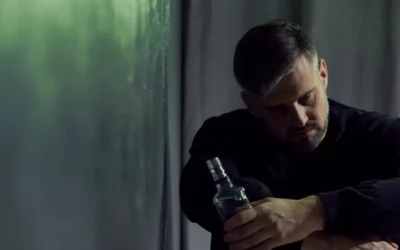
drinking again after sobriety

Relapse is also a grave risk for those in recovery, and repeated alcohol withdrawals can lead to a phenomenon called the kindling effect. Instead, most of it is esterified with fatty acids, forming FAEE. These molecules bind to mitochondria and disrupt the generation of energy that is normally reserved for pancreatic secretion or myocardial contraction. Although it is not clear whether oxidative or nonoxidative alcohol metabolism actually occurs in bone tissue, it is clear that alcohol exposure to osteoblasts inhibits their proliferation by causing oxidant stress. Also, structural weakening of bone and delays in fracture healing are clearly evident after chronic alcohol consumption by rodents. The foregoing findings indicate that several cellular mechanisms collectively contribute to resolution of steatosis and liver injury following alcohol cessation.

Bone Injury and Repair After Alcohol Exposure in Humans

There are warning signs to look for if an alcoholic in your life begins to drink again after being sober. Certain behavior changes can signal that an individual with an alcohol use disorder (AUD) has relapsed. People with alcohol use disorder are still considered alcoholics, even if they abstain from alcohol and achieve sobriety. Even if someone is dedicated to abstinence, they are still at risk, especially when upsetting life events occur, and put them in a place where coping skills are needed. In terms of addiction, relapse is when a person engages in substance use again after a period of abstinence or sobriety.

  • No one likes to get it because, unlike the flu, there isn’t anything you can take for it.
  • Having an understanding that drinking again only prolongs and worsens issues can help prevent the relapse.
  • The greatest degree of alcohol-induced injury occurs in the liver and GI tract, as both these organs/systems are the first to encounter high concentrations of imbibed alcohol.
  • Although it is not clear whether oxidative or nonoxidative alcohol metabolism actually occurs in bone tissue, it is clear that alcohol exposure to osteoblasts inhibits their proliferation by causing oxidant stress.

The main points of emphasis will be how ethanol, the active ingredient and principal component in alcoholic beverages, affects the liver, GI tract, pancreas, heart, and bone. This review describes how (or whether) each organ/tissue metabolizes ethanol, as this property is closely related to the organ’s degree of injury. The damage sustained by the organ/tissue is then described, and the evidence for natural recovery after drinking cessation is reviewed.

Drinking can also affect a person’s psychological well-being. Individuals with alcohol use disorder are vulnerable to developing depression or anxiety when they start drinking again. Furthermore, they may be at increased risk of engaging in dangerous activities such as driving while intoxicated or engaging in unprotected sexual activity. Still, “most of what we know about alcoholism and addiction is from the people who show up and identify themselves that way in Alcoholics Anonymous (AA) and in treatment programs.

Does 1 drink count as a relapse?

Is One Drink Considered A Relapse? Yes. If you have been diagnosed with the chronic condition called alcohol use disorder, also called alcoholism, then the answer is, “Yes, one drink counts as a relapse.”

I have seen many do that, with as much going for them as me. I have been clean and sober in NA and AA for over 10 years, relapsed into chronic heroin addiction for 6 years prior to that. I am 36 now, https://ecosoberhouse.com/article/5-ways-to-destress-after-work/ have been involved in the 12 steps since the age of 20…so lots of meetings. A glass of wine, a shot of liquor or a beer – these can all be triggers to start you down the path of drinking again.

How To Have A Difficult Conversation About Addiction With Your Loved One

These negative repercussions can be avoided by dispelling the myth that alcoholics are able to drink in moderation. There are plenty of ways to enjoy social situations involving alcohol without drinking. There is no need to despair – it is just important to avoid that first drink. Studies have shown abstinence, or foregoing all alcohol, is the best way to avoid a relapse. While relapsing is nothing to be ashamed of — it happens to many people who have fought hard to get sober — it’s something you do want to avoid.

Shame and guilt about past alcohol use increase a person’s risk of relapse. If they relapse, these negative emotions often intensify, creating a cycle of abstinence and relapse that is difficult to break without professional help. Aftercare treatment often involves one-on-one talk therapy sessions along with group therapy and support groups. In some cases, alternative treatment methods and family therapy may be recommended. But initial treatment and aftercare treatment are tailored to each patient,s and plans will look different for everyone.

[Top]

Understanding the Signs of Alcoholism and Child Abuse Ohio University

At wave II, the weighted proportion was just over 8% and was 6.4% at waves III and 2.1% at wave IV. Maldonado-Molina et al., 2010) and others investigated violence at fixed time points (e.g. Explore the 85 online courses offered and expand your knowledge on a variety of topics. Start your personalized online classroom and earn CE credits at your own pace.

The need for self-medication stems from the stigma that society places on sexual assault cases that involve drugs and alcohol. In cases of self-medication, victims view substances of abuse as socially accepted, accessible and cheap solutions to their alcohol and relationships problems. Instead of quelling the undesired feelings, substances of abuse worsen trauma symptoms. Individuals may use drugs and alcohol to incapacitate their partner so they can perform sexual acts that their partner would otherwise not agree to.

You’ve Replaced Certain Activities With Drinking

Children are affected by witnessing domestic violence and alcohol also increases the risk of children being abused, neglected and emotionally damaged. The impact of alcohol abuse and domestic violence stretch far beyond https://ecosoberhouse.com/ the dynamic between the drinker and the victim of domestic violence. According to the Office on Women’s Health, roughly 15 million children have lived in homes in which domestic violence has happened at least once.

  • If you feel the need to be dishonest about your drinking, you may want to ask yourself why.
  • Ohio University is regionally accredited by the North Central Association of Colleges and Schools.
  • It is possible therefore that the relationship between alcohol and violence is not constant and may vary with age.
  • There are also signs of perpetrator behavior to look out for, such as offering gifts to children with no reason, lack of age-appropriate relationships, or disrespecting boundaries.
  • In addition, all individuals who participated in two or more, not necessarily consecutive, waves of data collection were included in the study to maximize the information available, thus mitigating against non-participation in one or two waves.

In this context, alcohol is said to be the credible factor leading to emotional loss and instability and eventually leading to expressive-based murders. A national study of 16,698 inmates found that alcohol had a stronger role in violent offending such as homicide, physical assaults, and sexual assaults compared to offenses such as burglary and robbery. In this study, the majority of the respondents claimed to have been under the influence/intoxication of substance such as alcohol during the commission of murder . Victims of physical and sexual abuse have higher rates of substance use disorders than those who have never experienced abuse.

Substance Abuse and Intimate Relationships

Combined with past trauma, alcohol may worsen a person’s behavior towards their loved ones. Without alcohol addiction treatment or mental health counseling, the individual’s behavior may worsen. Exposure to armed conflict, alcohol misuse, low socioeconomic status, gender equitable decision-making, and intimate partner violence behaviors are wicked problems observed with high frequency in this study in Northeastern Uganda. Our research highlights an indirect pathway through male partner alcohol use that connects IPV to armed conflict for women who make their own healthcare decisions and for women whose partners make those decisions, showing important interactions. We recommend the integration of alcohol misuse, IPV, household decision-making practices policy and interventions for men in conflict-affected settings.

  • Buddy T is an anonymous writer and founding member of the Online Al-Anon Outreach Committee with decades of experience writing about alcoholism.
  • Trying to convince you that authorities won’t help a gay, lesbian, bisexual, transgender, or other nonconforming person.
  • Table 1 shows the characteristics of the participants by alcohol use at wave I, with frequencies and weighted proportions of those endorsing each response used in calculating associations between alcohol use and violence.
  • Alcohol use disorder is a common addiction, affecting nearly 15 million adults in the United States.

As a drug and alcohol rehab center in Palm Springs, we wanted to explore the effects of alcohol and how they may lead to aggressive behavior. “Intimate partner violence is a substantial public health problem, as victimization is linked to physical injury, chronic pain, increased substance abuse, and numerous other health problems. A robust literature has examined the individual differences that influence risk for IPV perpetration, with substantial research focusing on alcohol use and personality features as important predictors. Indeed, alcohol use is cited among the most prominent risk factors for IPV, although evidence suggests that this association may vary according to sample type and individual differences in personality” (p. 1). This policy momentum has not explicitly addressed exposure to armed conflict, however, and there remains a paucity of research that examines these problems beyond bivariate relations and as conceptually interrelated, signifying a policy-to-research gap.

Alcohol and Domestic Violence: Cause and Effect

Expressive murders are most often preceded by arguments and altercations and the level of intoxication increases the viciousness of the attack . Block and Block defined expressive murders as a result of the expression, emotions, and psychological states. Emotional states such as anger, frustration, and hostility are said to lead an individual to perform expressive murders.

In a global study of intimate partner violence, the odds were higher worldwide in relationships where one or both partners had problems with alcohol, compared to relationships where neither of them did. Statistics seem to indicate a connection between alcohol and drug abuse and domestic violence, but some researchers question the cause-and-effect relationship. The World Health Organization estimates that roughly 55% of domestic abuse perpetrators were drinking alcohol prior to assault.

Data analysis

Our objective was to determine extent of exposure to these variables and test pathways between these indicators of interest. According to the World Health Organization, 55 percent of assaults by one partner against another in the U.S. occurred after the perpetrator had been drinking. It has also found that heavier drinking and drinking more frequently are risk factors for domestic violence. Being unsatisfied in the relationship also increases the risk that one partner who drinks heavily will assault the other.

[Top]